

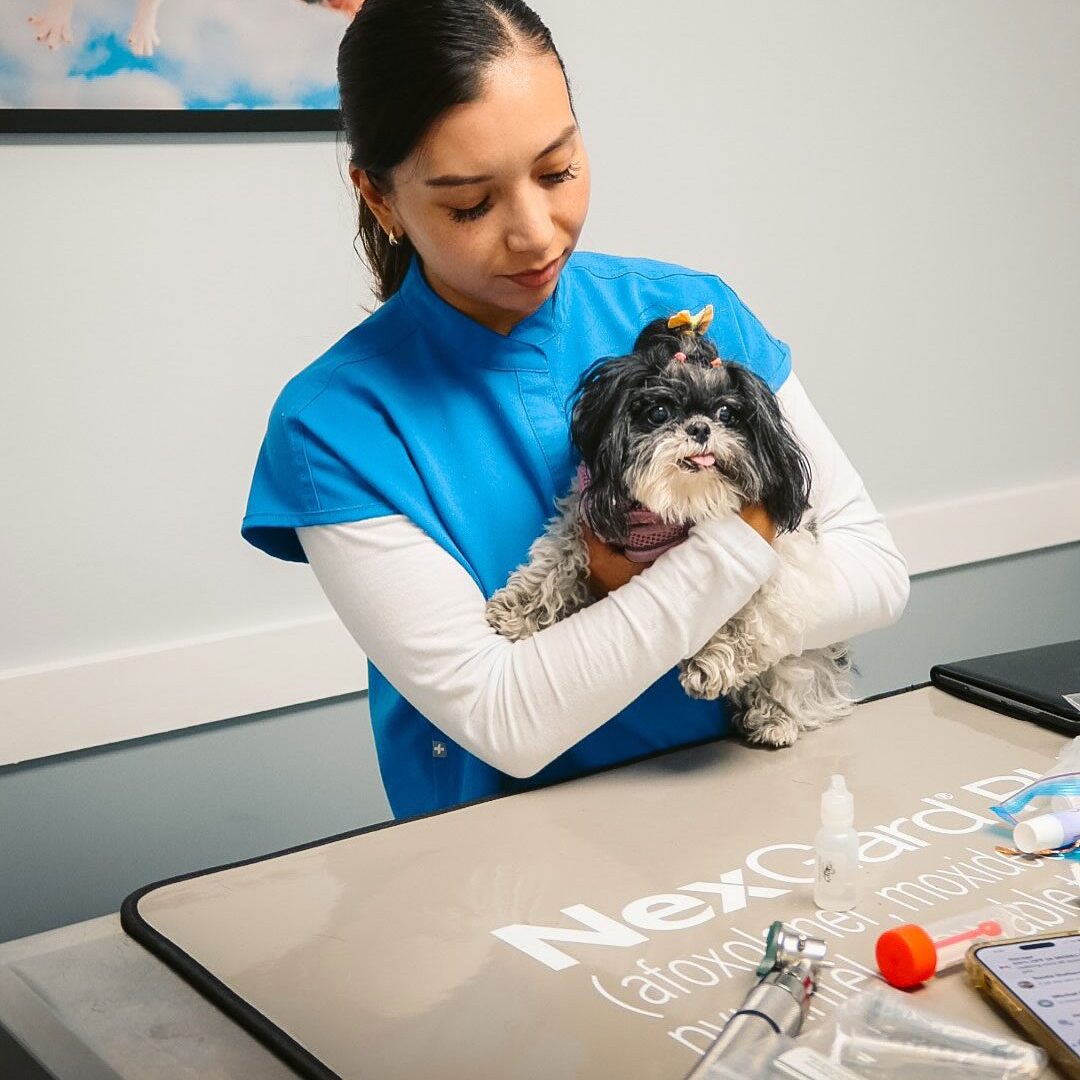
In-House Laboratory Testing for Pets
Our complete in-house laboratory allows us to evaluate your pet’s health from the inside out, often within minutes. This means less waiting, faster treatment decisions, and peace of mind for you.
We commonly perform the following tests:
-
Complete blood count (CBC): Measures red and white blood cells and platelets to detect infection, inflammation, anemia, or clotting disorders.
-
Blood chemistry panel: Evaluates organ function, including the liver, kidneys, and pancreas.
-
Electrolyte testing: Monitors hydration, heart health, and metabolic balance.
-
Urinalysis: Screens for urinary tract infections, kidney disease, and diabetes.
-
Fecal testing: Detects internal parasites such as roundworms, hookworms, and Giardia.
-
Heartworm testing: Essential for prevention and early detection of this life-threatening parasite.
-
Microscopic evaluations: Identifies blood abnormalities, skin and ear infections, or neoplastic cells.
Digital Radiology (X-Rays) for Pets
Our hospital is equipped with state-of-the-art digital radiology, which produces clearer, faster, and more detailed images than traditional X-ray film.
Digital radiographs are one of the most important diagnostic tools in veterinary medicine, allowing us to:
-
Detect bone fractures, joint problems, or arthritis.
-
Identify bladder stones, tumors, or foreign objects.
-
Evaluate the size and shape of internal organs, such as the heart, lungs, liver, and kidneys.
-
Monitor oral health and dental disease.
With digital imaging, results appear instantly on our monitors and can be enhanced for a more precise evaluation. Fewer images are required, which means less stress and time on the X-ray table for your pet. Plus, images can easily be shared with specialists when needed.

Pet Ultrasound & Echocardiograms
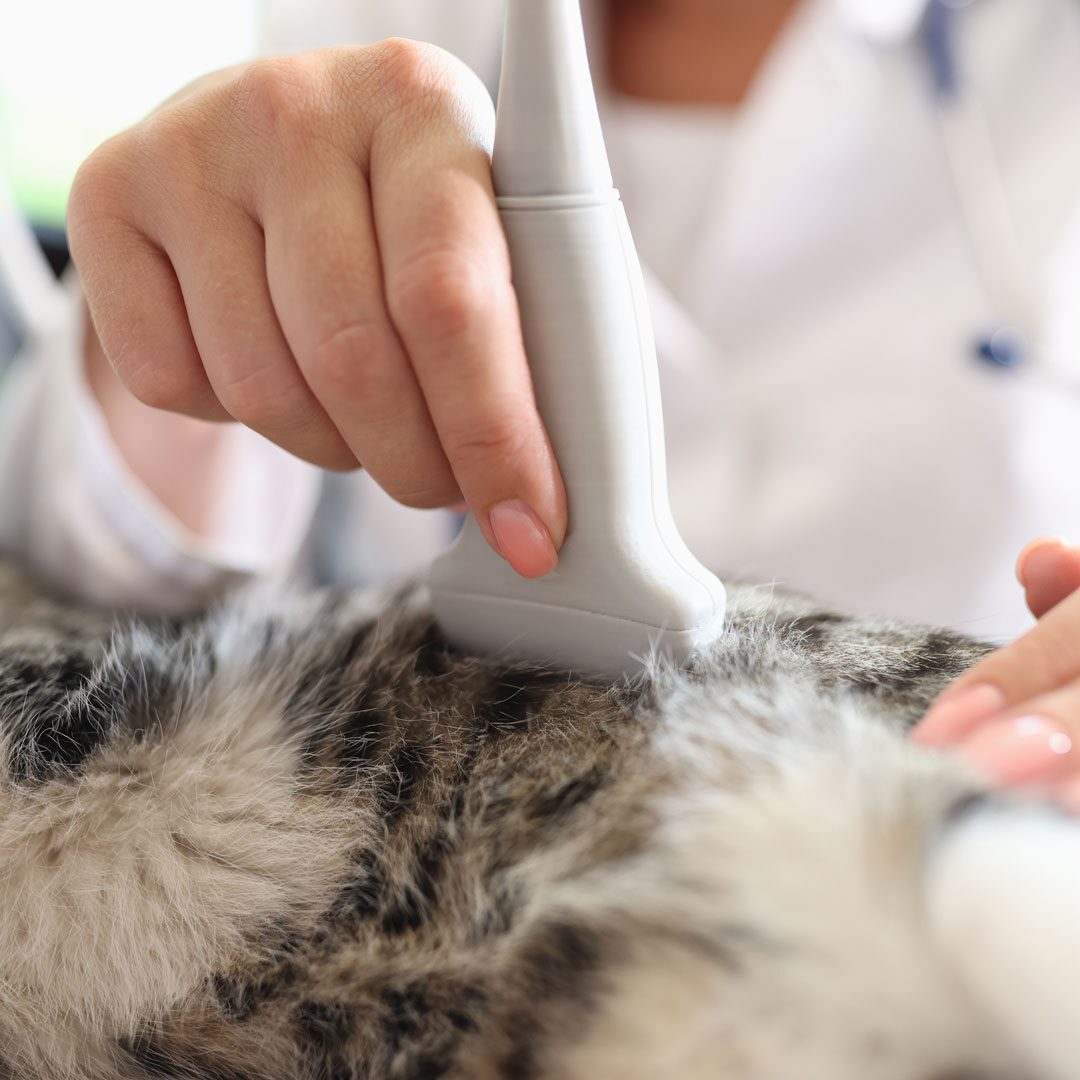
While X-rays provide a detailed picture of your pet’s bones and organ structure, ultrasound allows us to see real-time images of soft tissues and internal organ function. This noninvasive test is performed without surgery or sedation and is invaluable for diagnosing conditions affecting the chest, abdomen, and heart.
Our veterinarians use ultrasound for:
-
Abdominal scans to detect masses, fluid buildup, or organ irregularities.
-
Cardiac (echocardiograms) to evaluate heart structure and function.
-
Guided cystocentesis for safe collection of sterile urine samples.
-
Screenings to monitor chronic conditions or track disease progression.
-
Monitor pregnancies and fetal health.